
Dram Shop Liability in Texas: What Alcohol Businesses Need to Know
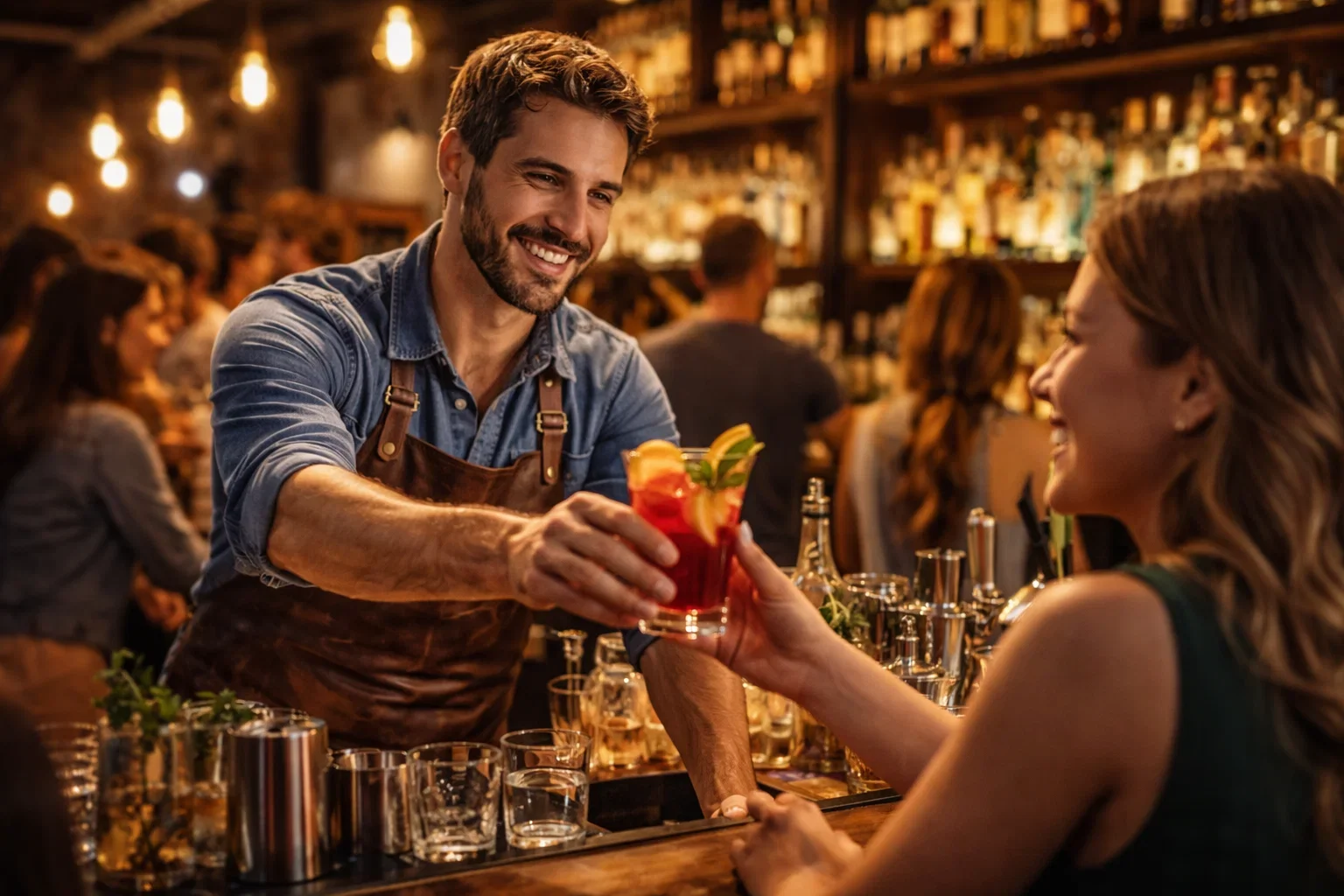
Dram shop liability is one of the most serious legal risks facing alcohol-licensed businesses in Texas. Bars, restaurants, liquor stores, and event operators may be held legally responsible if alcohol is served to an obviously intoxicated person who later causes injury, death, or property damage. Understanding Texas dram shop law is essential for protecting your license, your business, and your financial future.
Whether you operate in Austin, Dallas, Houston, or San Antonio, dram shop claims are increasingly common and aggressively pursued. Working proactively with an experienced liquor attorney is one of the most effective ways to reduce exposure and maintain regulatory compliance.
What Is Dram Shop Liability?
Dram shop liability refers to civil liability imposed on alcohol providers for harm caused by intoxicated patrons. Under the Texas Alcoholic Beverage Code, an alcohol business may be sued if it serves alcohol to a person who is obviously intoxicated to the extent that they pose a clear danger to themselves or others.
Dram shop liability does not require intent or negligence in the traditional sense — it focuses on the act of overserving alcohol. Because of this, dram shop compliance should be a core component of every alcohol business’s operational policies. A knowledgeable liquor attorney can help businesses across Texas understand where risk most often arises.
When Does Dram Shop Liability Apply in Texas?
A dram shop claim in Texas typically requires proof that:
Alcohol was sold or served to an obviously intoxicated individual
The intoxication was a proximate cause of injury or damages
The alcohol service occurred while the patron posed a foreseeable risk
These claims most commonly stem from drunk driving accidents, physical altercations, or serious injuries following alcohol service. High-volume service environments in Austin, Dallas, Houston, and San Antonio are frequent targets for dram shop lawsuits.
Common Dram Shop Risk Scenarios
Dram shop liability frequently arises in situations involving:
Overservice at bars, clubs, and lounges
Late-night alcohol service
Festivals, pop-up bars, and special events
Corporate or private events with alcohol
Inadequate staff training or poor supervision
Each of these scenarios increases the likelihood of overserving alcohol and triggering a dram shop claim. Without strong internal policies and ongoing compliance efforts, alcohol businesses face unnecessary legal exposure.
The Texas Safe Harbor Defense and Dram Shop Claims
Texas law provides a limited defense to dram shop liability known as the Safe Harbor defense. To qualify, an alcohol business must prove that:
Employees completed approved seller-server training
The business required that training as a condition of employment
The employee violated company policy by overserving the patron
Safe Harbor protection is highly technical and documentation-driven. Many businesses in Houston, Austin, and Dallas believe they qualify, only to discover gaps in enforcement or recordkeeping that defeat the defense. A seasoned liquor attorney can review policies and training programs to determine whether Safe Harbor truly applies.
Dram Shop Liability and TABC Compliance
Dram shop incidents often trigger more than civil lawsuits. They frequently lead to:
TABC investigations
Administrative penalties
License suspension or cancellation
Increased insurance premiums
Maintaining dram shop compliance is critical not only for avoiding lawsuits, but also for protecting your alcohol license. Alcohol businesses throughout Texas, including those in San Antonio, benefit from proactive legal review rather than reactive damage control.
How a Liquor Attorney Can Help
An experienced liquor attorney does more than defend claims. They help alcohol businesses:
Implement defensible alcohol service policies
Train staff to recognize intoxication
Prepare for TABC audits and investigations
Reduce exposure to dram shop lawsuits
Maintain ongoing regulatory compliance
For businesses operating in Austin, Dallas, Houston, and San Antonio, local knowledge of enforcement trends and regulators can make a meaningful difference.
Frequently Asked Questions About Dram Shop Liability in Texas
What is the legal basis for dram shop liability in Texas?
Texas dram shop liability is governed by the Texas Alcoholic Beverage Code, which allows injured parties to sue alcohol providers for damages caused by an obviously intoxicated patron.
What evidence is used in a dram shop claim?
Common evidence includes receipts, surveillance footage, witness statements, employee testimony, training records, and incident reports.
Does Safe Harbor automatically protect alcohol businesses?
No. Safe Harbor only applies if training is required, completed, enforced, and properly documented. Many businesses fail to meet all requirements.
Can liquor stores face dram shop liability?
Yes. Dram shop liability applies to on-premise and off-premise license holders, including bars, restaurants, and liquor stores across Texas.
How can businesses reduce dram shop liability risk?
Consistent staff training, clear alcohol service policies, incident documentation, and guidance from a liquor attorney are key to maintaining compliance.
Final Thoughts
Dram shop liability is one of the most significant risks facing alcohol-licensed businesses in Texas. With the right planning, training, and compliance strategy, that risk can be managed.
If you have questions about dram shop exposure, staff training, or alcohol service policies, speaking with a knowledgeable liquor attorney can help protect your business before problems arise.